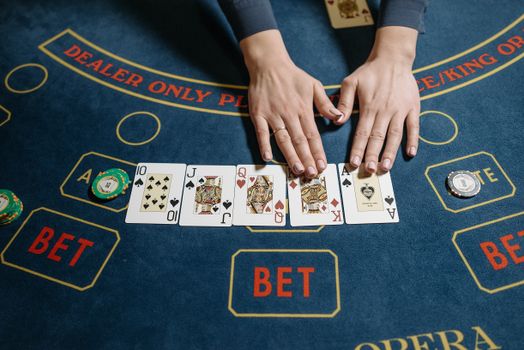
Poker is a game that blends skill, psychology, mathematics, and a touch of luck. The allure of the felt table has drawn millions of enthusiasts worldwide, from casual weekend players to high-stakes professionals. But what separates the consistent winners from the rest isn’t just the cards—they’re masters of strategy, discipline, and continuous learning. If you’re looking to elevate your poker game, learning from the habits and techniques of professional players is the surest path to improvement. This article will explore actionable tips and lesser-known strategies used by the pros, supported by real-world examples and data. Whether you play Texas Hold’em, Omaha, or other variants, these insights will help you refine your skills and outplay your opponents.
The Mindset Shift: Thinking Like a Poker Pro
One of the biggest differences between amateur and professional poker players is mindset. Professionals treat poker as a long-term endeavor. They understand that variance is inevitable—no one wins every session—but skill prevails over time.
A 2021 study by the University of Nottingham found that professional poker players averaged a win rate of around 10 big blinds per 100 hands, compared to break-even or negative rates for casual players. The key? Professionals focus on making the best decisions possible, not on short-term results.
.png)
Top poker pros like Daniel Negreanu and Liv Boeree emphasize the importance of emotional discipline. They avoid “tilt”—the loss of control after a bad beat. Instead, they review their hands objectively, using each loss as a learning opportunity. To develop a pro-level mindset:
- Set realistic goals: Aim for continuous improvement, not just instant profit. - Keep a poker journal: Track your sessions, emotions, and decision-making. - Practice mindfulness: Techniques like deep breathing can help you stay calm under pressure.Mastering Ranges, Not Just Hands
Amateurs often play their cards; professionals play ranges. This means considering all the possible hands your opponent could have, not just reacting to your own.
For example, instead of thinking, “I have Ace-King, that’s a strong hand,” pros ask, “Given my opponent’s actions, what range of hands could they have?” This approach leads to better decisions about when to bet, raise, or fold.
The use of hand-range charts and solvers (advanced software tools) has revolutionized poker strategy in the past decade. According to a 2023 survey by Upswing Poker, over 70% of top online players regularly use solvers to analyze hands and study optimal play.
To improve your understanding of ranges:
- Study preflop charts for your preferred variant (e.g., Texas Hold’em). - Practice assigning ranges to opponents based on their actions and style. - Use free online tools to simulate hands and see how ranges interact on different board textures.Positional Awareness: The Power of Acting Last
Position is one of the most critical concepts in poker. Where you sit relative to the dealer profoundly impacts your options and the profitability of your hands.
Professional players are far more aggressive from late positions (the “button” and “cutoff”) because they get to act last on post-flop betting rounds. This advantage allows them to gather more information and control the size of the pot.
Consider this data: In a 2019 PokerStars analysis of two million hands, players on the button had a positive expected value (EV) in over 60% of pots they played, compared to less than 30% for players in early position.
How to use position like a pro:
- Play more hands from late position, but tighten up in early spots. - Use your position to apply pressure and steal blinds. - When out of position, proceed cautiously and avoid building large pots with marginal hands.Advanced Bluffing: Timing, Frequency, and Storytelling
Bluffing is an art—and science—that separates great poker players from the good. Professionals don’t just bluff for the sake of it; they consider timing, frequency, and the story their actions tell.
For instance, Jason Koon, one of the world’s top tournament players, explains that successful bluffs occur when the board and your betting line credibly represent a strong hand. In a televised 2022 World Series of Poker hand, Koon executed a multi-street bluff, betting consistently as if he held a flush, forcing his opponent to fold a top pair.
Let’s compare amateur vs. professional bluffing strategies:
| Bluffing Aspect | Amateur | Professional |
|---|---|---|
| Timing | Random, emotional | Based on opponent, board, game flow |
| Frequency | Too often or rarely | Balanced, unpredictable |
| Storytelling | Poorly constructed, inconsistent bets | Logical, builds a credible narrative |
| Result Analysis | Fixates on outcome | Reviews hand history for learning |
Tips to improve your bluffing:
- Consider your table image: Are you seen as tight or loose? - Bluff more on boards that favor your perceived range. - Avoid “bluffing the calling station”—some players simply don’t fold.Bankroll Management: Avoiding the Biggest Pitfall
Even the best poker players in the world can go broke without disciplined bankroll management. Professionals separate their poker funds from personal finances and stick to strict guidelines.
A common rule among poker pros is to have at least 20-30 buy-ins for cash games and 100+ buy-ins for tournaments. For instance, a $1/$2 no-limit Hold’em player should have at least $4,000-$6,000 set aside for poker to weather inevitable swings.
Bankroll management not only protects you from going bust, but also reduces stress and allows you to play your A-game. According to a 2022 report from CardPlayer, over 50% of amateur players cited poor bankroll management as the main reason for their biggest losses.
To shore up your bankroll discipline:
- Never play with money you can’t afford to lose. - Move down in stakes if you lose a significant portion of your bankroll. - Track your results to spot leaks and emotional spending.Continuous Learning: Study Habits of Top Players
The poker landscape is constantly evolving, with new strategies, software, and play styles emerging each year. The best players dedicate significant time to study away from the table.
For example, Fedor Holz, a German high roller who has won over $32 million in live tournaments, spends at least 10 hours a week reviewing hands, watching training videos, and discussing strategy with peers. This commitment to growth is a defining trait of elite players.
Key study habits to adopt:
- Review your own hands: Use online trackers or apps to analyze mistakes. - Engage with poker communities: Forums and Discord groups offer free feedback and discussion. - Watch professional streams: Learn by observing how top players adapt to different opponents and situations.Final Thoughts: The Path to Poker Mastery
Improving at poker is a marathon, not a sprint. The techniques and attitudes of professional players—ranging from mental resilience to analytic rigor—offer a blueprint for anyone serious about the game. By embracing a growth mindset, mastering hand ranges and position, bluffing strategically, managing your bankroll, and committing to continuous learning, you can dramatically boost your edge at the tables.
Remember, even the legends started as beginners. With patience, discipline, and the right approach, you too can transform your poker results and enjoyment.