Online bingo has come a long way from its humble beginnings in community church halls and local clubs. Once a simple social pastime played on paper cards, bingo has transformed into a global digital phenomenon available 24/7 from the comfort of home. This remarkable journey reflects not only technological innovation but also changes in player demographics, social interaction, and even the cultural relevance of the game itself. In this article, we’ll trace the fascinating evolution of bingo, exploring how it made the leap from physical halls to digital screens, and what that means for millions of players worldwide today.
Origins: Bingo’s Social Roots in Community Halls
Bingo’s roots can be traced back to 16th-century Italy, where a lottery-style game called “Il Gioco del Lotto d’Italia” first emerged. By the 20th century, bingo had become a beloved social activity in the UK, the US, and beyond. Church basements, community centers, and social clubs would regularly host games, bringing together people of all ages for a shared experience. In the United States, bingo’s popularity boomed during the Great Depression, when churches used it as a fundraising tool.
The traditional format of bingo was simple: Players purchased cards printed with random numbers, and a caller would announce numbers drawn from a drum. The first player to complete a specified pattern—often a straight line—would shout “Bingo!” and win a prize. By 1960, there were more than 10,000 bingo halls in the UK alone, and it was estimated that 60% of British women aged 18-80 had played bingo at least once.
.png)
Bingo’s appeal lay in its accessibility and social nature. It required no special skill—just luck and a keen eye—and provided a rare opportunity for people to gather, chat, and enjoy lighthearted competition. However, as times changed and the world became more digital, bingo halls began to decline.
Technological Leap: The Birth of Online Bingo
The late 1990s and early 2000s saw the internet revolutionize countless industries, and bingo was no exception. The first online bingo site, Bingo Zone, launched in 1996, offering free-to-play games. By 2001, cash-prize bingo had arrived online, with sites like CyberBingo and Foxy Bingo attracting thousands of players.
This new format offered several advantages over traditional bingo:
- Convenience: Players could access games anytime, anywhere. - Accessibility: No travel or physical presence required. - Game variety: Multiple rooms, themes, and ticket prices. - Enhanced security: Digital cards and automated number drawing reduced human error and cheating.Statistics reflect this dramatic shift. By 2014, the UK online bingo market was worth over £330 million, and the industry continues to grow, with global online bingo revenue projected to reach $1.3 billion by 2025.
Online bingo also introduced new features, such as chat rooms, auto-daub (automatic marking of numbers), and themed games, making it easier for players to participate and interact. These innovations attracted a younger, tech-savvy audience, broadening bingo’s demographic appeal.
Comparing Traditional and Online Bingo: Key Differences
To highlight how the landscape has changed, here’s a comparison of the main features of traditional and online bingo:
| Feature | Traditional Bingo | Online Bingo |
|---|---|---|
| Location | Church halls, clubs, community centers | Anywhere with internet access |
| Game Times | Scheduled sessions (e.g., evenings, weekends) | 24/7 availability |
| Social Interaction | Face-to-face, in-person community | Chat rooms, avatars, emojis |
| Ticket Purchase | Paper cards, cash payment | Digital tickets, credit/debit/PayPal |
| Game Variety | Limited to standard 75 or 90-ball | Themed rooms, multiple variants, side games |
| Jackpots | Set prizes, usually local | Progressive and networked jackpots |
| Demographic | Primarily older adults | Wider age range, more gender-diverse |
The Social Side: Community in the Digital Age
One of the remarkable aspects of bingo’s evolution is how the game’s social core has adapted to the digital era. While traditional bingo provided in-person camaraderie, online bingo operators have worked hard to recreate a sense of community in virtual spaces.
Online bingo chat rooms are moderated by “chat hosts” who keep the conversation lively, organize mini-games, and welcome new members. According to a 2022 survey by WhichBingo, over 70% of online bingo players say that chat features enhance their experience. Some sites even offer video chat and virtual events, further blurring the line between physical and digital socializing.
Perhaps surprisingly, online bingo has also become a resource for combating isolation, especially among older adults. During the COVID-19 pandemic, many people who had previously played in person turned to online bingo for connection. In the UK, Age UK reported a 35% increase in digital game participation among seniors between 2020 and 2022, with bingo being the most popular choice.
Bingo for the Modern Age: Technology, Mobile, and Beyond
Technological innovation continues to shape online bingo, making it more accessible and engaging than ever. Key developments include:
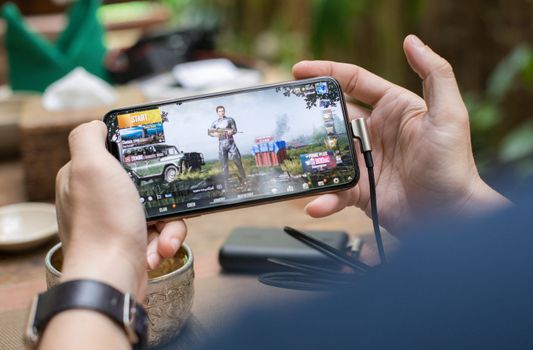
- Mobile Bingo: Around 60% of online bingo players now use smartphones or tablets, according to the UK Gambling Commission. Mobile apps offer seamless gameplay on the go. - Personalization: AI and machine learning help tailor game recommendations, promotions, and chat experiences to individual users. - Gamification: Achievements, loyalty programs, and leaderboards add extra layers of fun. - Payment Flexibility: Modern sites accept PayPal, e-wallets, and even crypto payments. - Safety and Security: Regulatory bodies like the UKGC and MGA enforce strict standards for fair play and responsible gaming.The result is a richer, more dynamic player experience that builds on bingo’s classic appeal while embracing the possibilities of modern technology.
Cultural Impact: Changing Perceptions and Expanding Audiences
Online bingo has not only preserved the game for future generations but also transformed its cultural image. Once seen as the domain of retirees and pensioners, bingo now attracts a more diverse audience. In the UK, 62% of online bingo players are under 44, and 54% are women, debunking outdated stereotypes.
Bingo’s digital rebirth has also inspired new forms of entertainment. “Bingo rave” events, like Bongo’s Bingo and Rebel Bingo, blend live music, dancing, and interactive bingo for a younger, nightlife-oriented crowd. TV shows, mobile games, and branded collaborations have further expanded bingo’s reach.
Moreover, the game’s accessibility has made it a valuable fundraising and awareness-raising tool for charities and social causes. Virtual bingo nights are now common fundraising events worldwide.
The Future of Bingo: Where Do We Go from Here?
As technology continues to advance, the future of online bingo looks bright. Experts predict the integration of virtual reality (VR) and augmented reality (AR) will soon create immersive bingo experiences, allowing players to interact in 3D environments that mimic the excitement of bustling bingo halls.
Artificial intelligence may further personalize gameplay, and blockchain technology could introduce provably fair draws and instant payouts. Meanwhile, regulatory authorities and operators are working together to ensure online bingo remains safe, fair, and socially responsible.
The enduring appeal of bingo lies in its unique combination of luck, excitement, and community spirit. Whether played in a church hall or on a smartphone, bingo’s evolution proves that classic games can not only survive but thrive in a digital world.